
10 Innovative HIIT Protocols to Supercharge Sprint Endurance
May 27, 2026



Breaking past your current performance plateau calls for a change in your workout approach. Introducing new elements to your HIIT routine can spark noticeable improvements in strength, speed, and endurance. By exploring five unique workout methods, you will challenge your body in new ways and open the door to faster, more dynamic results. Each method below encourages you to step outside your comfort zone and take your fitness to the next level. Give these exercises a try, incorporate them into your routine, and experience the difference as your abilities grow with each session.
Each method clearly explains its features, step-by-step instructions, and options to adjust the difficulty. You can add these protocols to your weekly schedule or combine them with your current workouts for extra gains. Keep your focus, record your results, and modify repetitions or rest times until you experience that rewarding feeling of real progress.
This variation on the traditional Tabata workout introduces different rest periods to challenge your aerobic recovery and anaerobic strength. By changing break times in set blocks, you make your body deal with varying stress levels, which leads to quick improvements in VO2 max and fatigue resistance.
Start with two Tabata Towers each week. Record your output during each interval and aim to match or beat your previous power levels. If your recovery drops too much, reduce work intervals by 5 seconds until you regain consistent performance.
Use increasing and decreasing sprint times to challenge your energy systems in one workout. By lengthening then shortening your intervals, you activate both fast-twitch fibers and endurance at high intensity.
Perform all sprints at about 95% effort. Watch your heart rate to ensure you stay within your target zones. If you find it difficult to maintain power during the final rounds, add an extra lap or two of recovery before starting your downward phase in the pyramid.
Perform two different exercises within each 20-second Tabata interval for a full-body workout. Switching movements midway through each cycle mixes up muscle activation patterns and keeps things interesting. This approach boosts metabolic stress while enhancing overall fitness.
For example, combine kettlebell swings with burpees. During each 20-second work segment, do 10 seconds of swings followed immediately by 10 seconds of burpees. Rest for 10 seconds, then repeat for a total of 8 rounds. This method targets your posterior chain and upper body in one session, creating a strong training effect.
Set up five stations, each focusing on a key athletic move—such as squat jumps, push-up rows, box step-ups, burpees, and Russian twists. Complete 10 repetitions at each station, then move to the next without resting. After completing one full rotation, reduce each station’s reps to eight, then six, then four, and finally two. The decreasing reps quickly drain your energy, testing your strength while fatigued.
Time how long it takes to finish each circuit and aim to beat your previous record. Pushing through the lower repetitions immediately after higher-volume rounds builds muscle endurance and mental toughness. Use light dumbbells or a weighted vest to keep the challenge high across all ladder levels.
Take HIIT to the water for gentle-impact, total-body sprints. Swim four lengths (25 meters each) as fast as possible, then rest for one length using an easy backstroke. Repeat this cycle eight times. Water resistance works different muscle fibers and gives your joints a break from impact stress.
Record your time for each lap. Begin with two sessions per week, then increase to three as your recovery improves. Progress by reducing rest to about 0.8 of a lap or adding one more sprint cycle. Swimming HIIT enhances cardiovascular health without putting extra strain on connective tissues.
These advanced workouts require careful attention to recovery, nutrition, and correct form. Skipping these can cause your progress to stall or lead to injuries. Maintain consistent mobility routines, ensure adequate protein intake, and follow sleep strategies that help you recover quickly.
Try these five workout methods to challenge your system, break plateaus, and boost your speed, strength, and stamina. Track your results, adjust rest periods, and modify intervals to personalize each session.
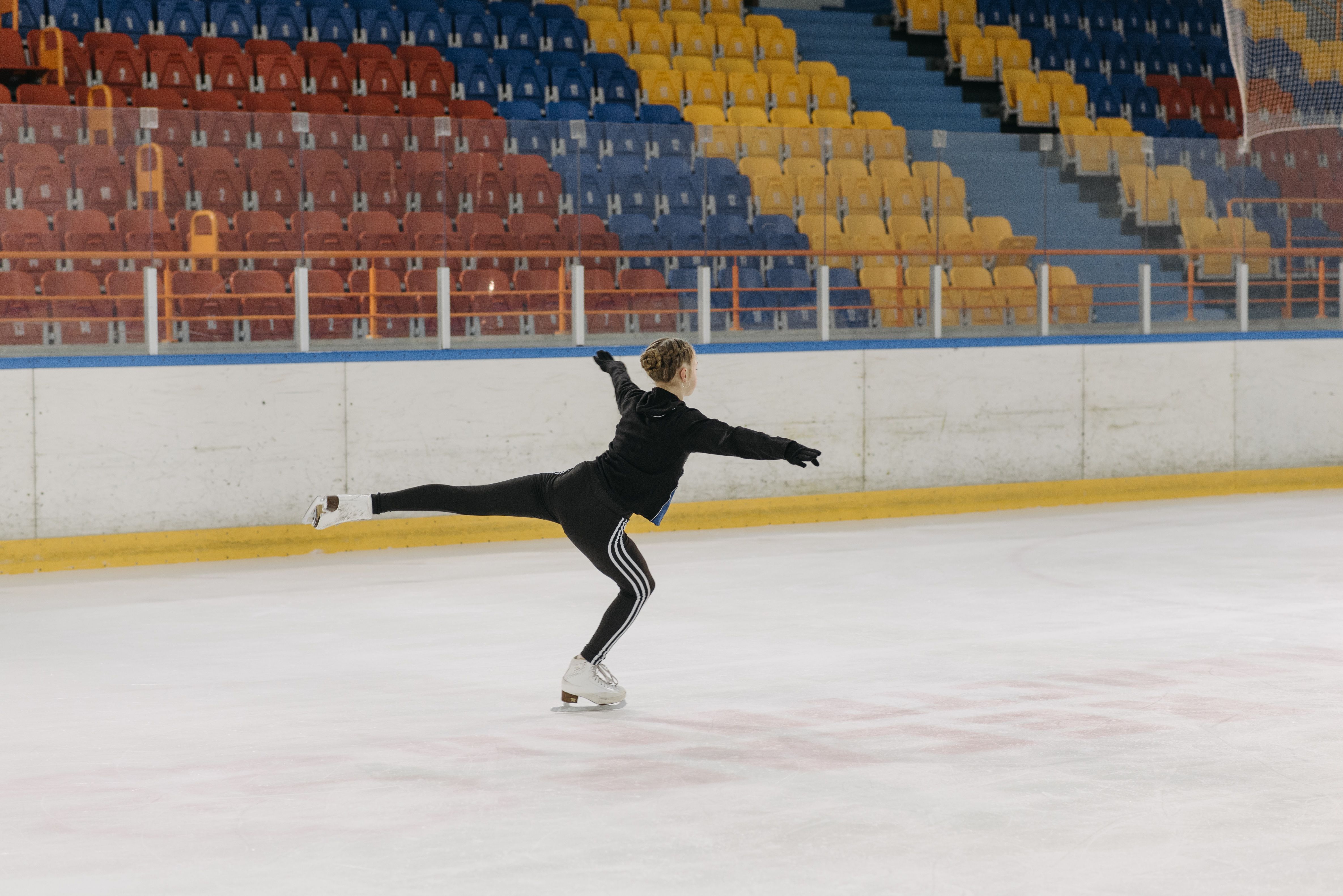
Confidence grows with every lap as you glide across the ice, each turn smoother and faster than the last. The wind rushes by, and your movements sync perfectly with the...
Aug 26, 2026

Powerful leaps begin with an explosive contraction of your muscles, sending you off the ground in a surge of energy. That burst does not rely on luck or magic; you can...
Jul 10, 2026
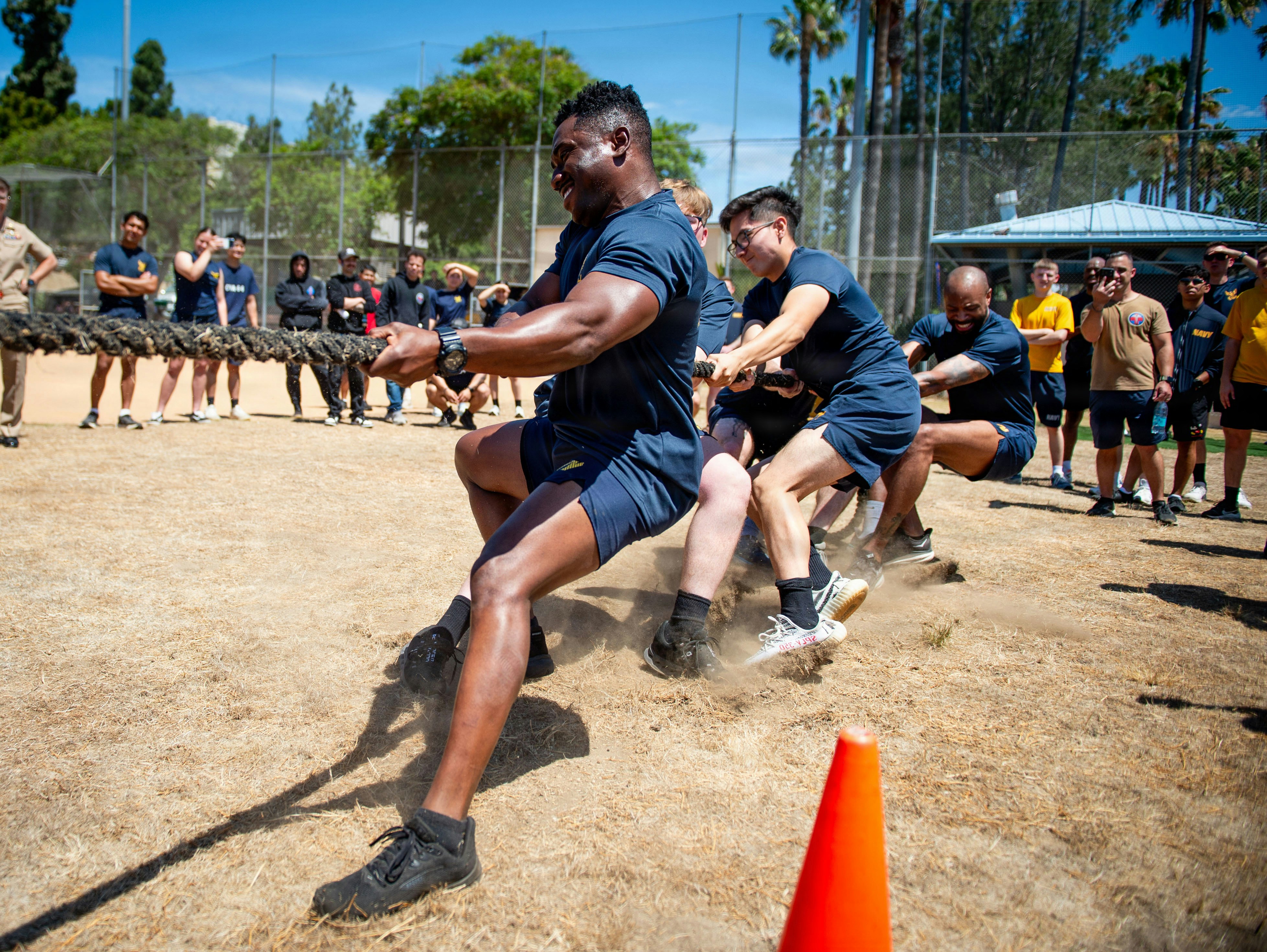
Countless hours of dedication and determination have brought you impressive results, but the search for new ways to achieve bigger milestones never ends. Exploring seven...
Aug 22, 2026

Selecting pieces for a capsule wardrobe focused on sports and street style allows you to move seamlessly from exercise to daily activities. Athletic tops, comfortable...
Aug 09, 2026

Chasing a new personal best brings excitement and motivation to every training session. These seven biohacks help you optimize your body’s natural processes, giving you...
Jul 05, 2026

Wearable technology now tracks your every move, heartbeat, and muscle twitch, providing detailed feedback during every workout. Devices such as wrist scanners, smart...
Jul 14, 2026
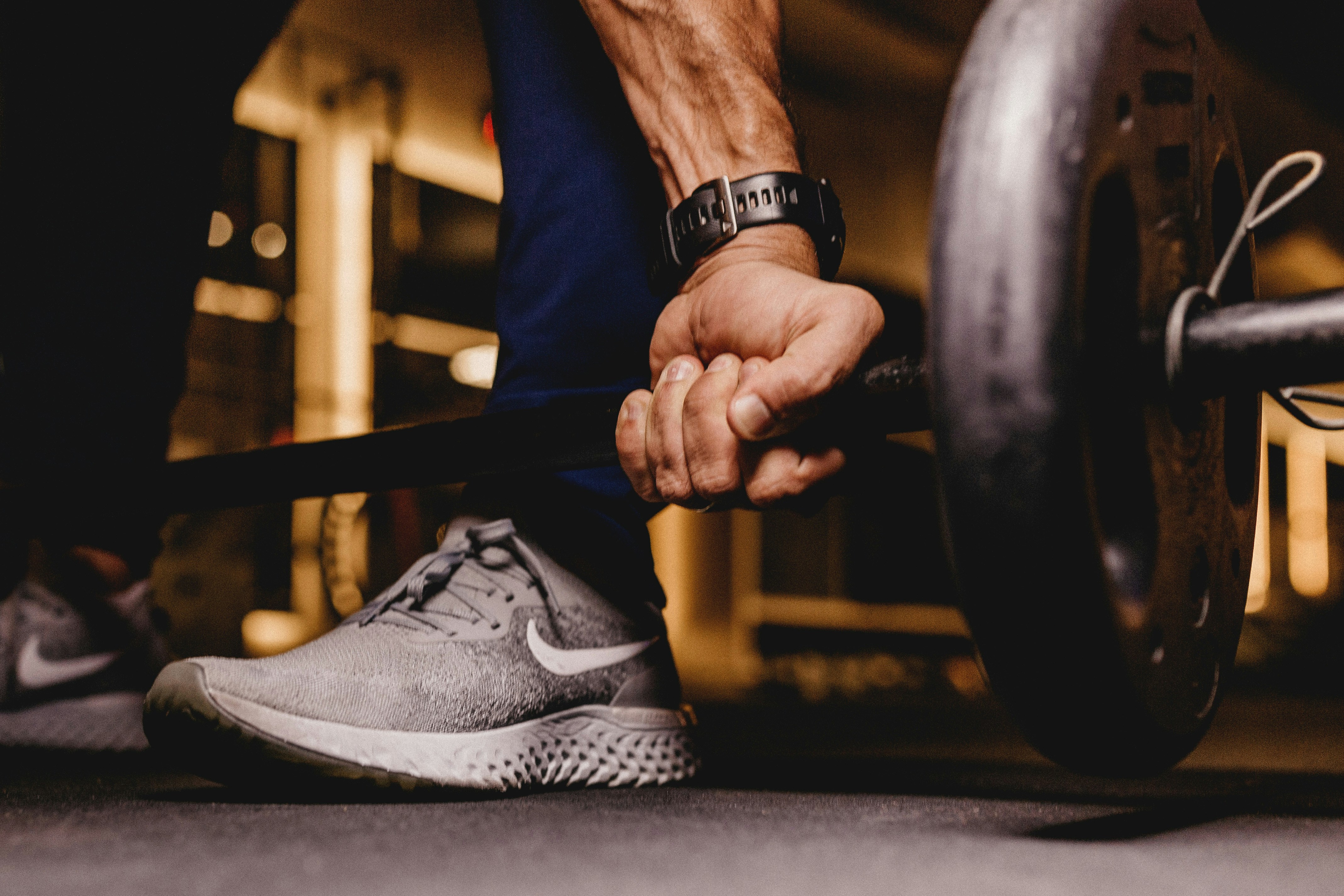
Developing explosive power allows athletes to convert strength into quick, forceful movements that can boost performance in any sport. Sprinting from the starting line...
Jul 24, 2026

Heavy bench presses that feel weaker than usual, sprints that lack their usual speed, and persistent stiffness often signal that your body craves a better recovery...
Aug 16, 2026

Elite competitors constantly look for ways to improve their sprint times and build endurance while avoiding injuries. Advanced analytics tools now make this pursuit more...
Jul 21, 2026

Gaining real-time insights on your performance as soon as you step onto the field or court can make a noticeable difference in your progress. With advanced analytics...
Jun 10, 2026
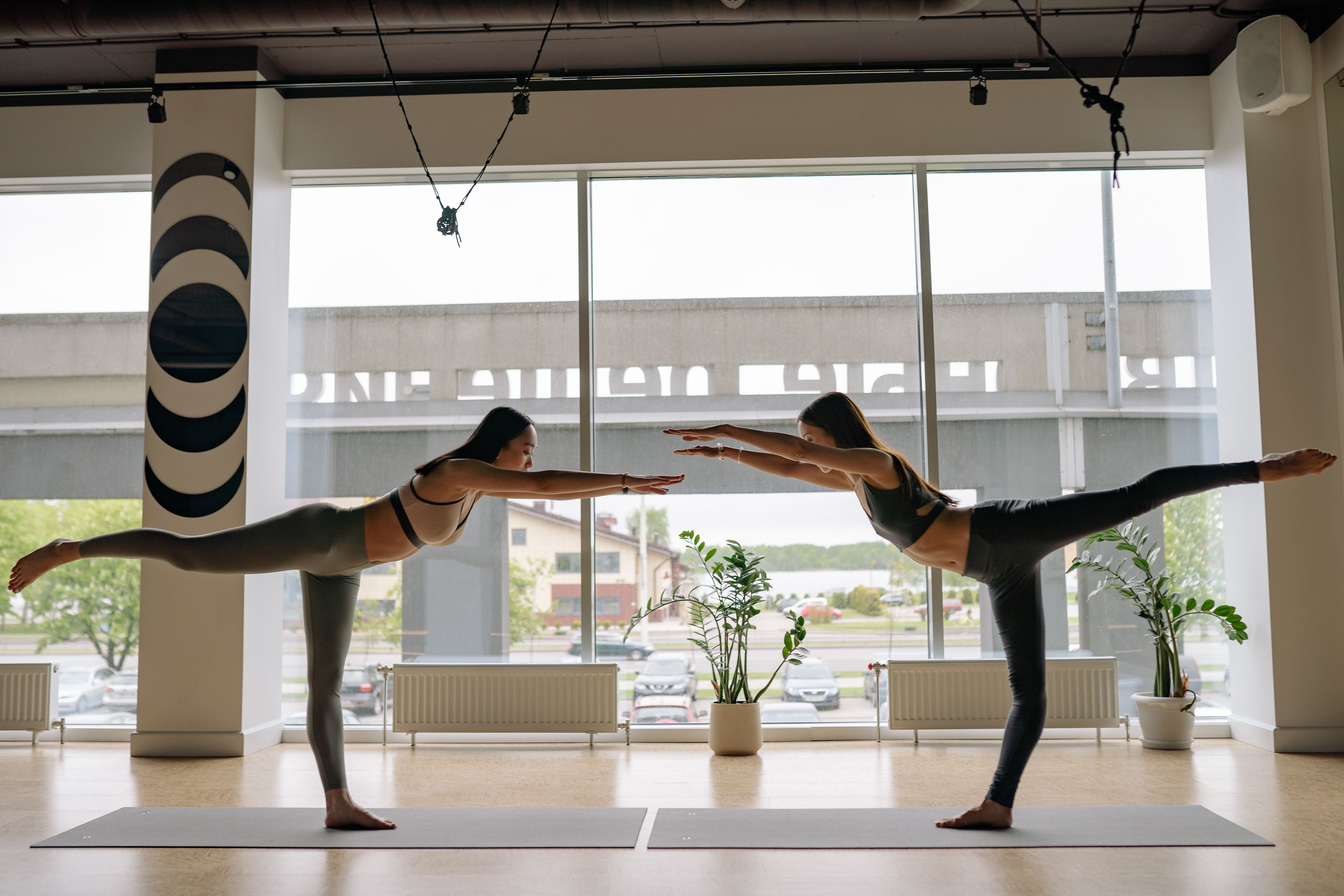
Countless athletes push their limits every day, whether sprinting on the track, shooting hoops, or lifting heavy weights. As the body adapts to these rigorous routines,...
Aug 19, 2026
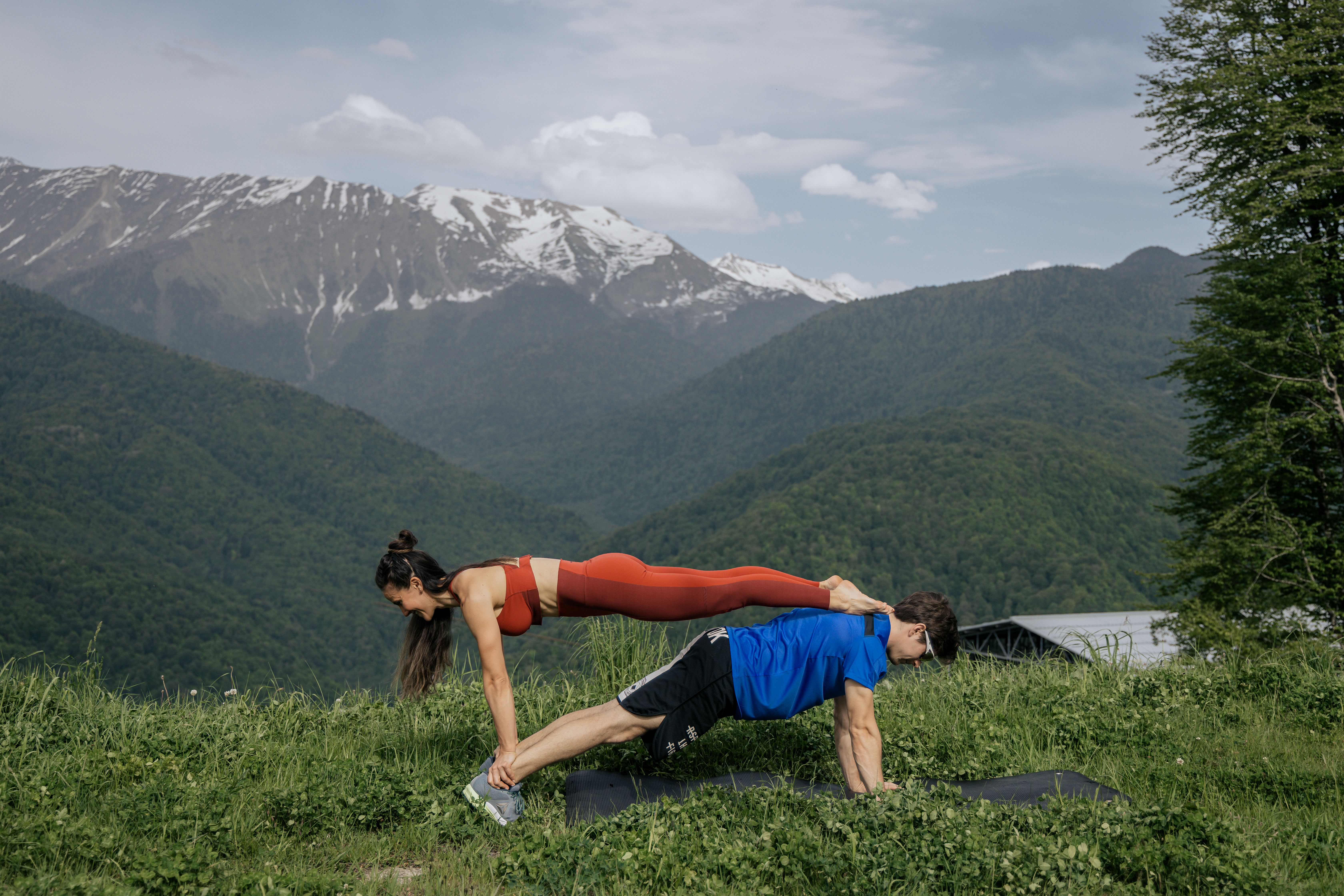
Many endurance athletes seek new ways to improve their performance, and high-altitude camps offer a proven method to gain an advantage. Training at higher elevations...
Jul 29, 2026

Building a powerlifting routine that boosts your squat, bench, and deadlift numbers calls for careful planning and a bit of creativity. Focus on developing a schedule...
Jun 21, 2026

Many people feel exhausted after an intense workout and find it challenging to recover before hitting the gym again. Tracking your recovery goes beyond simply counting...
Jun 02, 2026